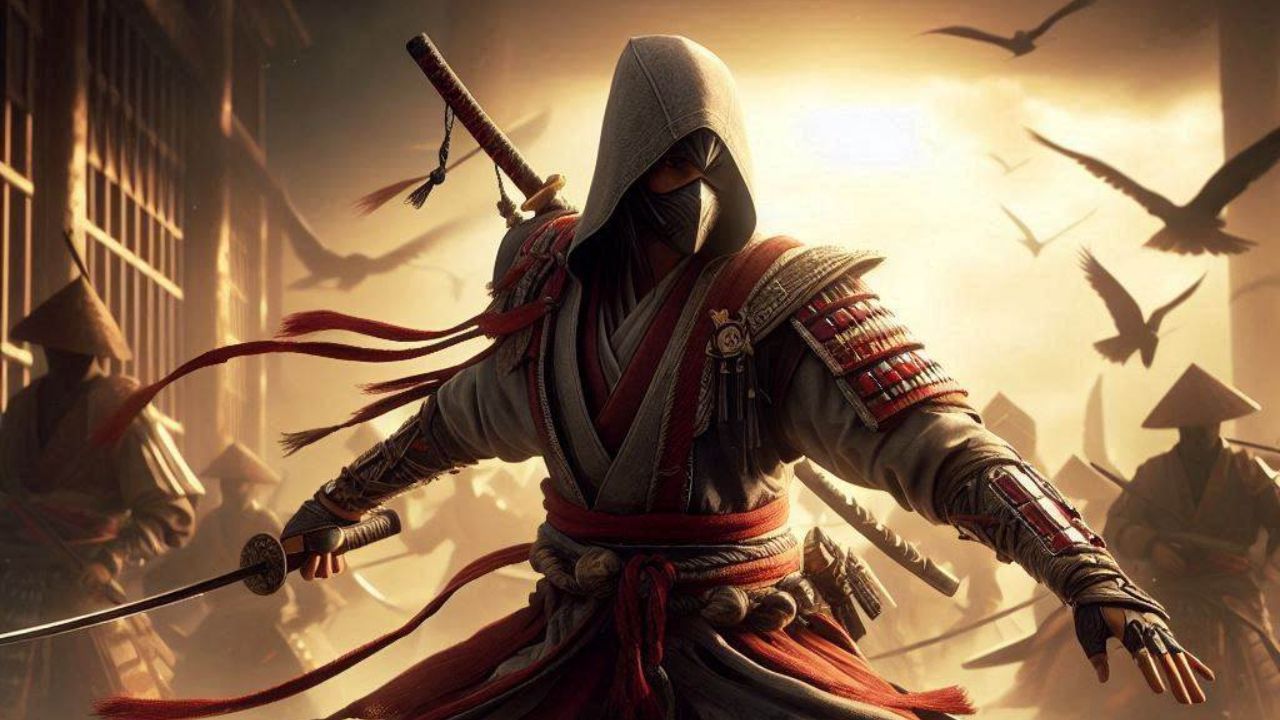
Assassin’s Creed Shadows Debate: Yasuke's Samurai Status and Ubisoft's Response
The Assassin’s Creed franchise is no stranger to historical drama, both within and outside its gaming universe. The latest installment, Assassin’s Creed Shadows, set in Feudal Japan, has sparked a significant debate regarding the historical accuracy of its characters, particularly the representation of Yasuke, a real historical figure known for his unique role in Japanese history.

Ubisoft's Controversial Apology

https://youtu.be/FjAzNpMYTxw?si=j17gaWCFJ9SxnHll

Recently, Ubisoft issued an apology aimed particularly at its Japanese audience, addressing concerns over promotional materials for Assassin’s Creed Shadows. The company described the game as "historical fiction" meant to inspire curiosity about history, rather than serve as an educational resource. This statement was intended to calm the waters but instead intensified ongoing discussions about the game's approach to historical figures, especially Yasuke’s portrayal as a samurai.

Community Backlash and Moderator Intervention

The r/assassinscreed subreddit, a community with over 700,000 members, has become a battleground for this debate. Following Ubisoft’s apology, moderators had to lock down threads due to excessive "brigading" and heated arguments about the legitimacy of Yasuke’s samurai status. The moderators issued a stern warning against further disputes, emphasizing that Assassin’s Creed should be viewed as a work of fiction, not a history textbook.

The Historical Debate Surrounding Yasuke

Yasuke, historically known as a Black samurai who served under Oda Nobunaga, has often been the subject of sensational media portrayals. His depiction in Assassin’s Creed Shadows as a prominent samurai has been met with both enthusiasm and skepticism. Critics argue that his role is exaggerated, while supporters appreciate the creative liberties taken to develop an engaging story.

Ubisoft's Creative License and Fan Expectations

Ubisoft has long maintained that while Assassin’s Creed games are grounded in historical settings, they take creative liberties to craft compelling narratives. This approach has allowed for the inclusion of fantastical elements and fictionalized versions of historical figures. However, the controversy over Yasuke’s portrayal highlights a broader tension between historical authenticity and narrative innovation in video games.

https://youtu.be/vovkzbtYBC8?si=jZIUCTzu_KldvTVS

Final Thoughts

As Assassin’s Creed continues to explore rich historical tapestries, the franchise's success may increasingly depend on its ability to engage with historical narratives responsibly and creatively. The debate over Yasuke’s portrayal in Assassin’s Creed Shadows is a reminder of the complex interplay between history, culture, and entertainment. It highlights the need for thoughtful engagement with the past, even in fictional settings, to foster both entertainment and educational curiosity.

Also Read:
https://news.thebadgamer.in/news/assassins-creed-shadows-debate-yasukes-samurai-status-and-ubisofts-response/

Comments

Popular posts from this blog

After nearly a decade of silence, the Dead Rising series is making a comeback with the release of the Dead Rising Deluxe Remaster, a revamped version of the original game. Set to launch on September 19, the remaster has already received positive feedback from early previews. However, fans are eager to know if this return to the past signals a broader revival for the franchise. Developers’ Vision: Hopes for the Future of Dead Rising In a recent interview with IGN, the development team behind the remaster shared their aspirations for the future of the Dead Rising series. They revealed that Capcom is keen on reviving many of its classic IPs and hinted that the success of the Deluxe Remaster could pave the way for new entries in the series. "Capcom would like to continue to bring back many of its IPs," the developers stated, adding that they have "hopes of expanding upon the Dead Rising series in the future." This statement suggests that if the remaster performs well co...
Palworld, a game that intricately blends the excitement of creature collection with the challenges of survival and crafting, demands players to be strategic and mindful of various gameplay aspects. One of the key elements to success in Palworld is understanding and effectively utilizing the game's stat upgrade system. This system is integral to enhancing your character's abilities and aligning them with your unique playstyle. Understanding Palworld's Stat System Every time players level up in Palworld, they receive a Stat Point. This point can be allocated to one of several stats, each impacting different aspects of gameplay: - HP (Health Points): This stat is crucial for survival, especially on higher difficulty settings. Low HP can leave players vulnerable to one-shot defeats from powerful Pals. - Stamina: Vital for activities like climbing, exploring, and combat. Increasing Stamina extends the duration of these actions, enhancing exploration and efficiency. - Attack: Whi...
Electronic Arts (EA), a titan in the video game industry, is reportedly working on a groundbreaking game creation and marketplace software. This initiative, revealed through a recently published patent, hints at a platform akin to Unreal Engine and GameMaker, with a focus on democratizing the game development process. Background: EA's Gaming Legacy Founded in 1982, Electronic Arts has carved a niche in the gaming world with iconic franchises like The Sims and sports series such as FIFA and Madden. As both a developer and publisher, EA has consistently delivered engaging gaming experiences. This new venture into game creation software signifies a potential shift, offering a platform for fans and aspiring developers to craft their games. EA's Game Creation Software: A Closer Look The patent details a comprehensive system, encompassing a marketplace for assets including source code, graphics, and sounds. These resources can be traded, purchased, or acquired through various means, ...