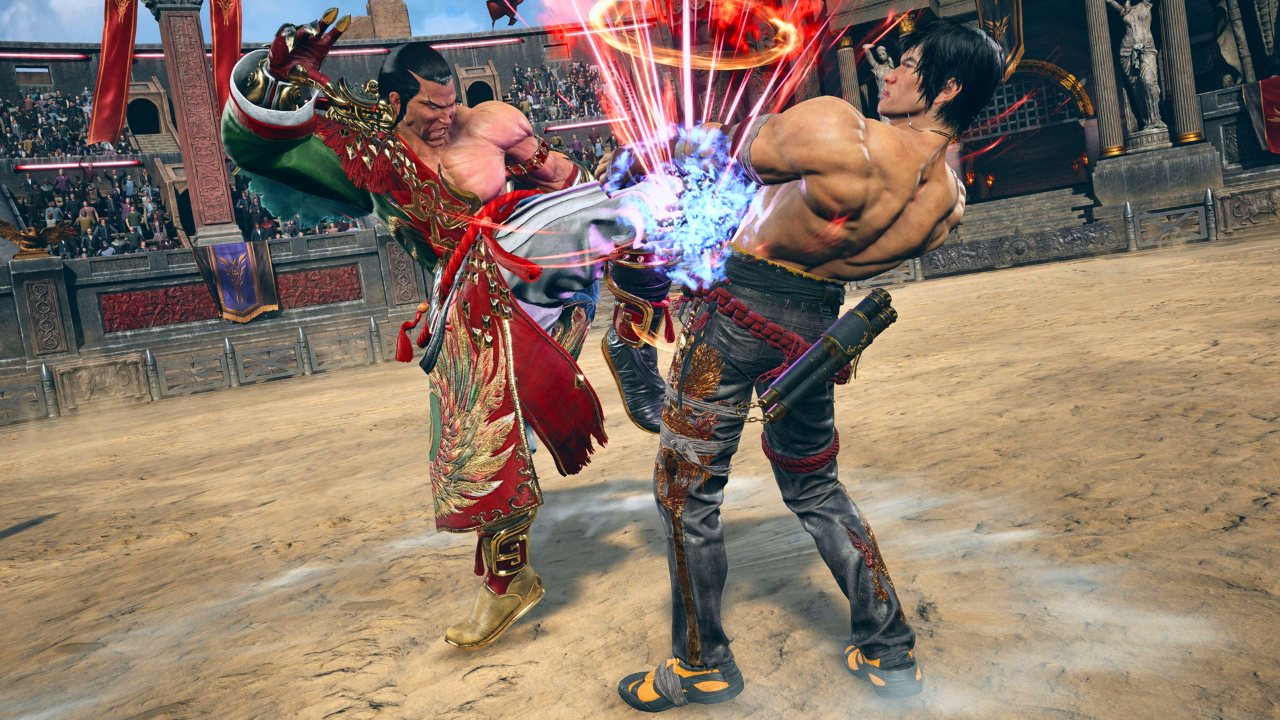
Tekken 8 Introduces Microtransactions: Fan Reactions and Expectations
Tekken 8's recent announcement of introducing microtransactions through its new Tekken Shop feature has sparked a debate within its community. This decision by Bandai Namco reflects a broader trend in the gaming industry, but it also highlights the delicate balance game developers must maintain between monetization strategies and player satisfaction.

Tekken 8's Initial Success and Microtransaction Controversy

Since its launch in January, Tekken 8 has been highly acclaimed, surpassing Bandai Namco’s sales expectations. The game has been lauded for its plot, aggressive gameplay, and visual enhancements. However, the potential inclusion of microtransactions has introduced a contentious element to its post-launch phase.

The Industry's Microtransaction Dilemma

Microtransactions have become a common monetization method in many video games, but their implementation in full-priced, triple-A titles, especially fighting games, has often been controversial. Previous examples, such as Street Fighter 6 and Mortal Kombat 1, faced backlash for the perceived high cost of additional content, raising questions about the value offered versus the price paid by players.

Tekken Shop: A New Microtransaction Model

The Tekken Shop, revealed through an in-game message, indicates a shift towards real-money transactions, as suggested by the updated ESRB rating mentioning "In-Game Purchases." This move away from the in-game Fight Money currency to real-world money transactions represents a significant change in how players can access additional content.

Community Response: A Mixed Reception

The announcement of microtransactions in Tekken 8 has elicited diverse reactions among fans. Some players defend the addition, arguing that the base game already includes substantial content, and additional cosmetic items or DLC characters like Eddy Gordo are reasonable. In contrast, others view the introduction of microtransactions negatively, perceiving it as detrimental to the game’s integrity and player experience.

Upcoming Tekken Talk Livestream: A Platform for Clarification

Bandai Namco's upcoming Tekken Talk livestream is anticipated to provide further details on the Tekken Shop and its microtransaction model. Given the mixed reactions, the company faces the challenge of addressing concerns while maintaining the goodwill garnered by Tekken 8’s initial success.

Final Thoughts

The introduction of microtransactions in Tekken 8 underscores the ongoing debate in the gaming community about monetization practices. As developers navigate the evolving landscape of the gaming industry, balancing player expectations with financial models remains crucial. The forthcoming Tekken Talk livestream may offer crucial insights into how Bandai Namco plans to manage this balance, potentially setting a precedent for future titles.

Also Read:
https://news.thebadgamer.in/news/tekken-8-introduces-microtransactions-fan-reactions-and-expectations/

Comments

Popular posts from this blog

After nearly a decade of silence, the Dead Rising series is making a comeback with the release of the Dead Rising Deluxe Remaster, a revamped version of the original game. Set to launch on September 19, the remaster has already received positive feedback from early previews. However, fans are eager to know if this return to the past signals a broader revival for the franchise. Developers’ Vision: Hopes for the Future of Dead Rising In a recent interview with IGN, the development team behind the remaster shared their aspirations for the future of the Dead Rising series. They revealed that Capcom is keen on reviving many of its classic IPs and hinted that the success of the Deluxe Remaster could pave the way for new entries in the series. "Capcom would like to continue to bring back many of its IPs," the developers stated, adding that they have "hopes of expanding upon the Dead Rising series in the future." This statement suggests that if the remaster performs well co...
Coffee Stain Studios, the Swedish game developer, has recently expanded the realm of mobile gaming with the launch of Goat Simulator 3 on iOS and Android platforms. This game, known for its unique blend of humor and destruction, invites players to step into the hooves of a mischievous goat wreaking havoc in an open-world environment. The game's charm lies in its absurdity, ranging from supercharged headbutts to using bizarre accessories like jetpacks and rocket launchers. Features Matching PC and Console Versions The mobile iteration of Goat Simulator 3 is not just a downscaled version of its PC/PS5/Xbox counterparts. It matches the features of these platforms, maintaining the essence of the game. This includes the co-op multiplayer support, which has been a significant draw for the series. The game on mobile also boasts a plethora of diverse goat avatars, a wide range of quests, mini-games, and playful physics that defy traditional game mechanics. The Journey of Goat Simulator Ori...
CD Projekt has officially rolled out Patch 2.02 for Cyberpunk 2077 and its Phantom Liberty expansion. The patch is available across PC, PlayStation 5, and Xbox Series X and S platforms. It addresses a host of quest and gameplay issues, particularly those concerning timers in courier missions in the Phantom Liberty expansion. Phantom Liberty-Specific Fixes Rebalancing Time Limits for Vehicle Contracts One of the main highlights of Patch 2.02 is the rebalancing of time limits for vehicle contracts in the Phantom Liberty expansion. Previously, players often found that the time limits set for driving a car out of the new Dog Town area were disproportionately short, leading to frustrating experiences. Animation, Lighting, Scenes, and VFX Fixes The patch also incorporates various technical improvements, notably correcting several animation, lighting, scene, and visual effects issues that players had reported. Collision and Object Interaction Problems related to collisions in specific locatio...